Food from both worlds
The Karankawa ate fish, shellfish, deer, and bison. They hunted, fished, and gathered plants for food. [A1]
Now travel southeast toward the Gulf Coast. You will see rivers, bays, and wet grasslands called marshes.
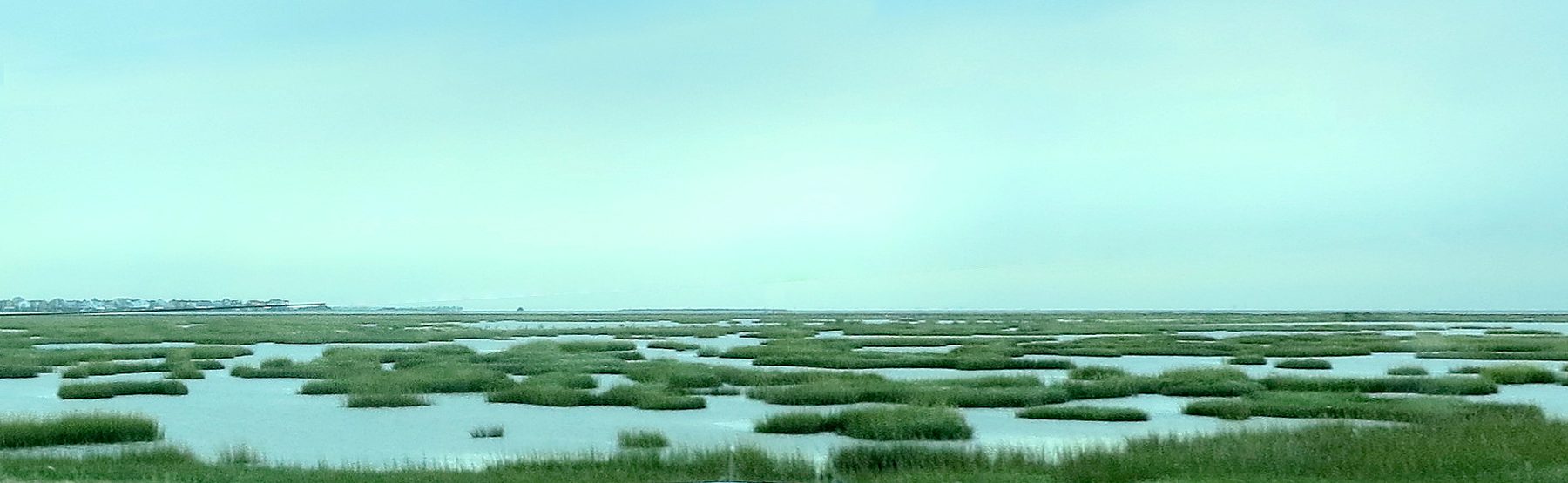
Imagine a camp near a bay in cool weather. People can find food in the water. They can also hunt and gather plants on the nearby grasslands.
The Karankawa lived along the central Texas coast. They traveled in dugout canoes made from tree trunks. The canoes carried families and supplies through shallow bays. [S2]
The Karankawa ate fish, shellfish, deer, and bison. They hunted, fished, and gathered plants for food. [A1]
Their homes were called ba-ak. They used willow branches for the frames and covered them with mats or hides. They also used baskets and pottery. [S2]
People used natural beach tar called asphaltum to coat and repair Rockport pottery. They found this useful material along the coast. [A2]
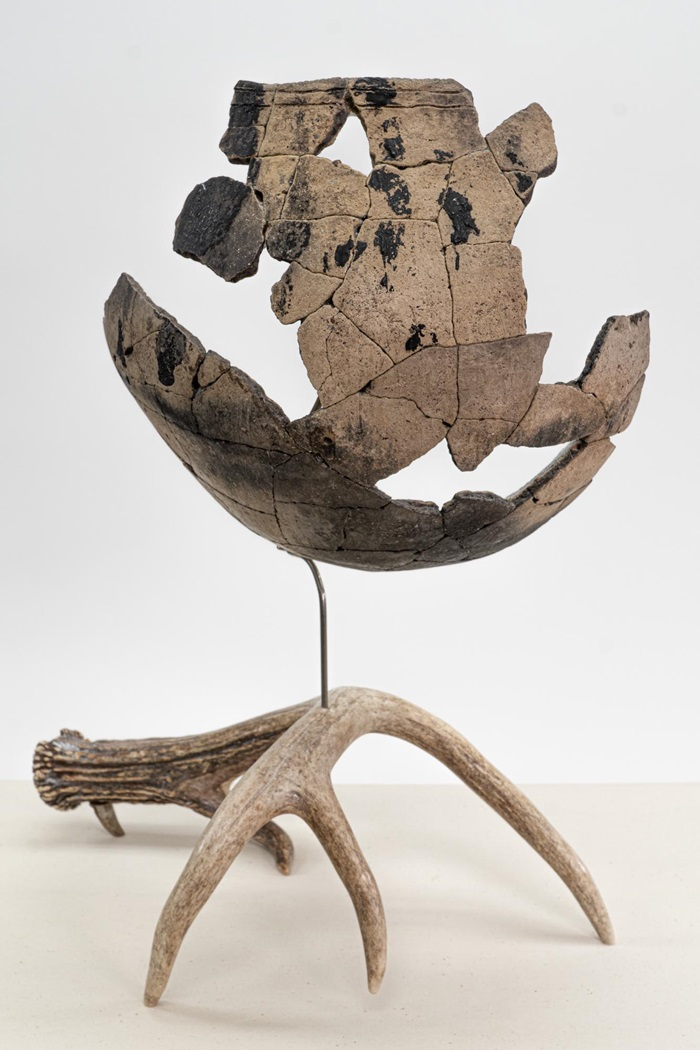
An old pot can teach us about daily life. Its clay, shape, and repairs give us clues about how people made and used it.
Archaeologists study objects left behind by people. These objects help us learn about the past, but they do not tell us everything.
People moved for a reason.
This timeline shows a general pattern from research. Every family did not follow the same schedule. Weather, water, food, and other people could change their plans.
In cooler weather, families could gather near bays to fish and collect shellfish. They also repaired tools and made pottery. People could still hunt inland. [A1]
As the season changed, people could leave large camps in smaller groups. They looked for roots, animals, and places to fish. They did not always move at the same time. [A1]
In warm weather, people hunted deer and gathered ripe plants. Some still visited the bays in summer. Fish remains at Guadalupe Bay help show this. [A3]
When cooler weather returned, groups could move toward the bays to fish. Bird remains help researchers tell when people visited. Families moved based on the weather and food they could find. [A2]
In cooler weather, families could gather near bays to fish and collect shellfish. They also repaired tools and made pottery. People could still hunt inland. [A1]
Small groups spread out to hunt and gather food. When there was enough food near the coast, more families could camp together. They worked and spent time with each other. [A1]
People returned to Guadalupe Bay many times. Researchers found tools, broken pottery, and food remains there. People used this camp again and again, but it was not a permanent town. [A4]
Families used mats, animal hides, baskets, and pottery. The sources used here do not show exactly where everyone slept inside a home. [S2]
Children likely learned by helping and watching their families. That is a reasonable guess. These sources do not list exact chores for children of each age.
Written records describe light clothing in summer. Some skirts were made from animal skins or plant fibers. People wore animal robes in cold weather. Men and women used body paint and tattoos, but the designs were not all the same. [S2]
Visitors wrote about ceremonies with dancing and a drink made from yaupon leaves. Some called these gatherings mitotes. They also wrote about wrestling. These accounts give us some details, but they do not explain all Karankawa beliefs. [S2]
The Karankawa used canoes in shallow bays and moved camp with the seasons. Rockport pottery was made from local clay. The coast gave people food and materials they could use. [A2]
EXAMINE THE EVIDENCE ↗