Travel
People could travel farther on horses. This helped them move across a large homeland. [T1]
Imagine waking up in a camp on the Plains. The people need food and water. Their horses need grass and water too.
Imagine preparing to move camp. What would you take if your home had to travel with you?
This scene is imagined, but the facts come from history sources. Horses became part of Comanche life around the late 1600s. Over time, they changed how people traveled and hunted. [S1]
Comanchería covered a large part of the Southern Plains. People traveled across it to hunt and trade. It was not one town, and its borders changed. [S3]
In 1844, a trader named Josiah Gregg wrote about Comanche life. He said people moved with the buffalo and seasons. He described winter camps near the upper Brazos and Colorado rivers. He was an outsider, so his writing cannot tell us about every group. [P1]

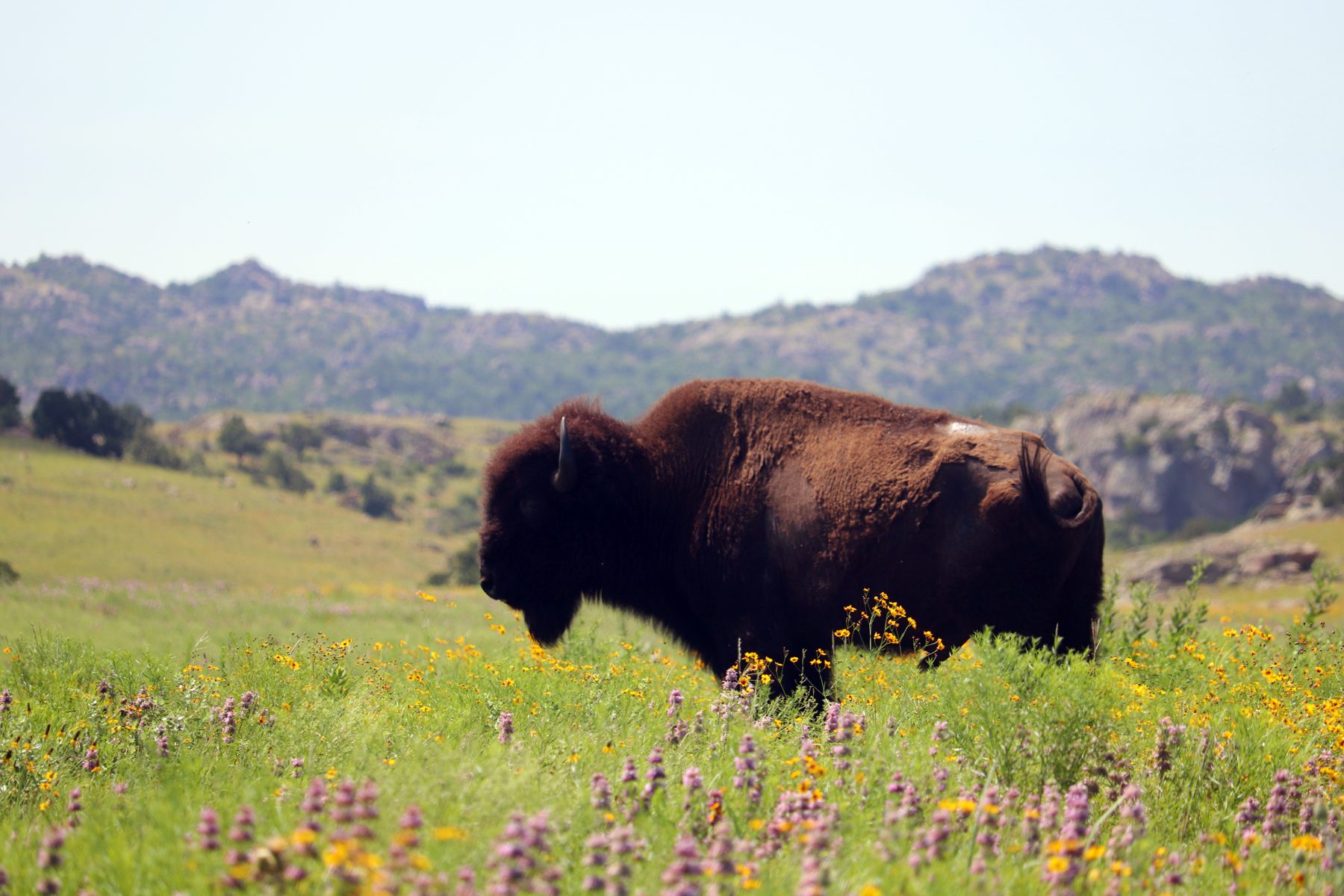
Horses helped people travel, hunt, and trade.
Earlier Comanche ancestors traveled on foot in areas farther west. Getting horses helped them move onto the Plains. This change took time. [S1]
Earlier Comanche ancestors traveled on foot in areas farther west. Getting horses helped them move onto the Plains. This change took time. [S1]
Horses made it easier to follow buffalo, hunt, and fight. The Comanche also raised and traded horses. The Comanche Nation explains how important riding skills were to their history. [T1]
People could travel farther on horses. This helped them move across a large homeland. [T1]
Horses were valuable. People traded them, and owning more horses could make a person wealthy. [S1]
Fighting on horseback helped the Comanche become powerful. But horses needed grass and water. People had to think about this when choosing where to camp. [T1]
Horses spread after Europeans brought them to the Americas. Comanche people learned to ride, raise, and use them in their own ways.
Meat could be eaten fresh or dried. Drying helped food last beyond the hunt. [S4]
People made buffalo hides into tipi covers. Buffalo gave them both food and a home they could carry. [S1]
Buffalo robes helped people stay warm when the weather was cold. [S1]
A Comanche tipi used wooden poles and animal hides. Four main poles supported the frame. Families could pack up their tipis when they needed to move. [S3]
A tipi was a family home. People needed space for rest and everyday work. Buffalo robes gave them warmth, and their belongings had to be easy to carry when camp moved. [S4]
Families lived near their relatives. Several families formed a larger group called a band. Children learned to ride horses when they were young. [S3] [S1]
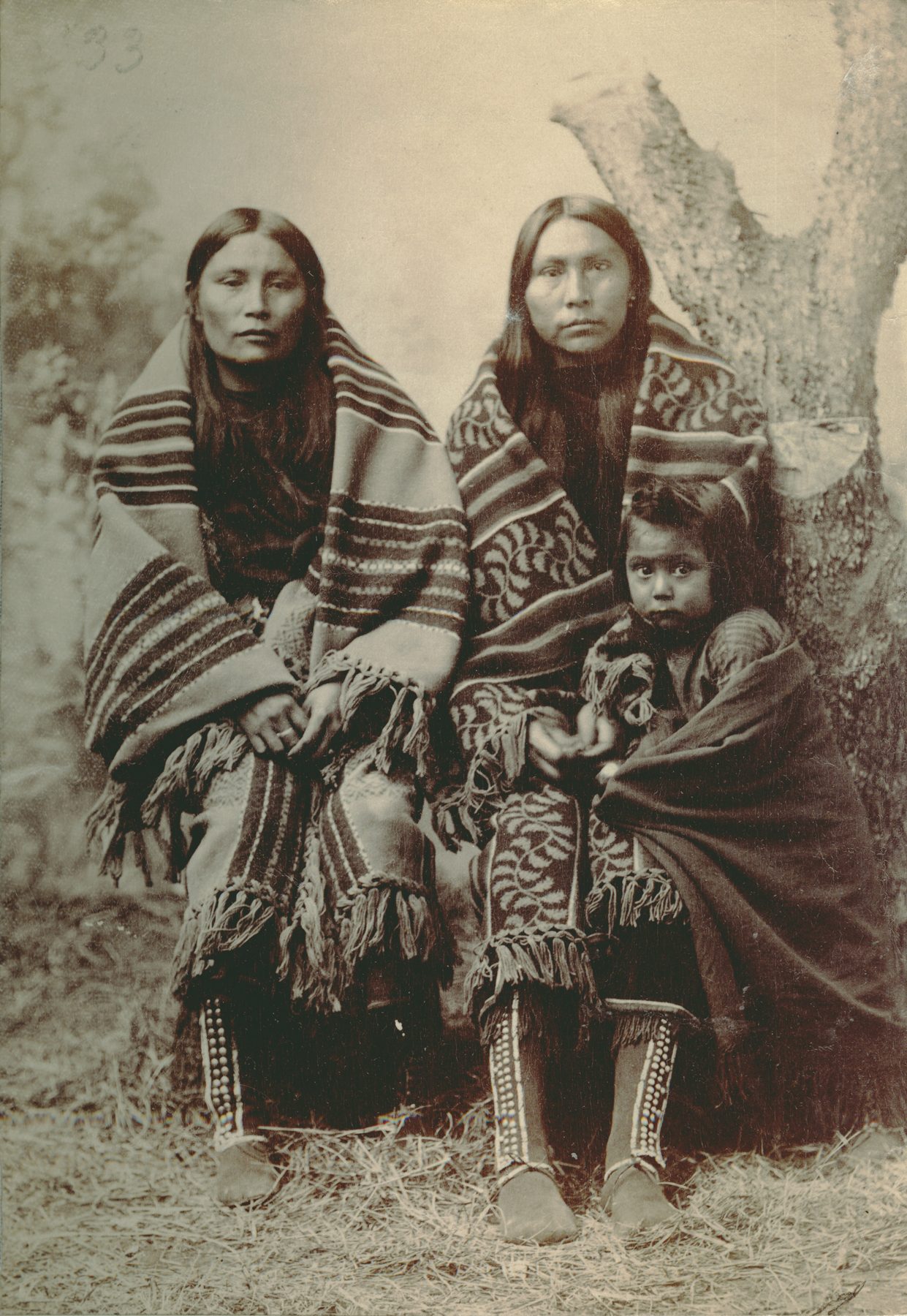
The Comanche wore moccasins, leggings, and clothes made from animal hides. Later, they also used cloth from trade. Women wore different dress styles as time passed. [S3]
Gregg wrote about men with long, decorated hair. He also described beads and paint. Some of his words showed his own opinions, so we need to read his account carefully. [P1]
Native tribes did not all dress the same way. We cannot assume that everyone wore a feather headdress or had the same tattoos. We need a source that shows who used a design and when.
The Comanche believed in spiritual power called puha. Both men and women could have this power. Not everyone had the same experiences or beliefs. [S3]
Religious beliefs were an important part of life. A short history page cannot explain every sacred tradition. [S4]
The Comanche traded with other people. They exchanged horses and buffalo products for things they did not make themselves. [T1] [S1]